
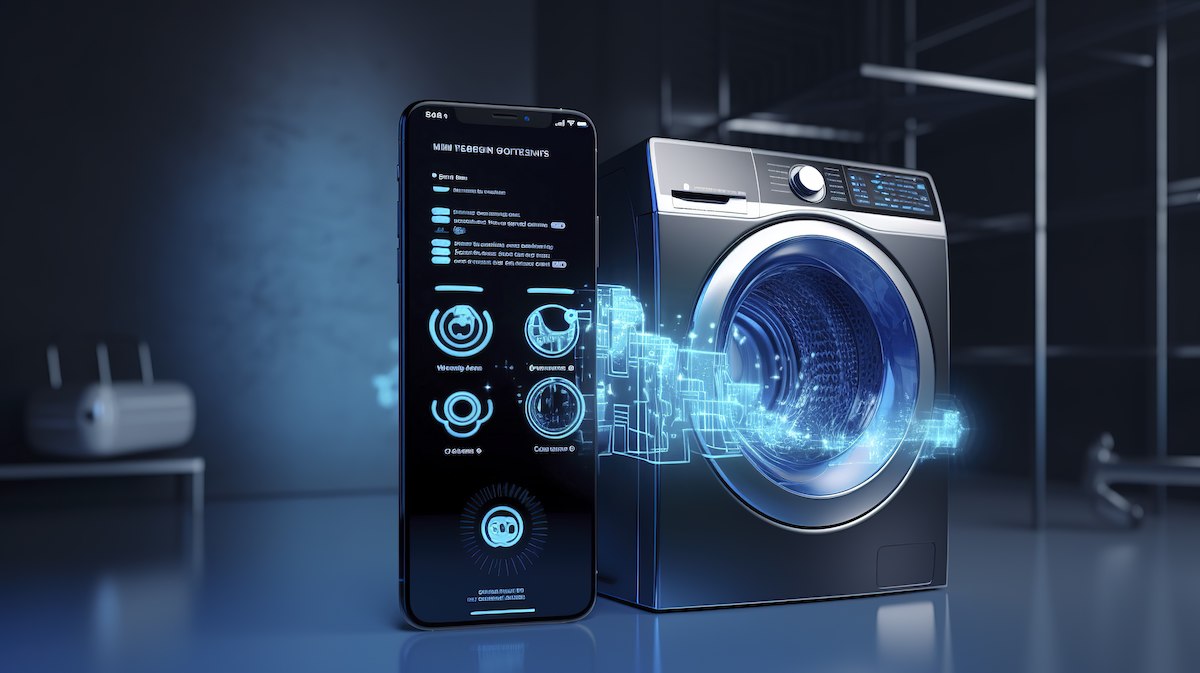
Washing Machine Load Sensor Repair is an important service for modern washing machines that automatically detect the amount of laundry inside the drum. The load sensor helps the appliance determine the appropriate quantity of water, washing time, detergent requirements, and sometimes spin speed for each cycle. When this sensor malfunctions, the washing machine may use too much or too little water, display error codes, fail to balance the load, or produce inconsistent washing results.
Machine Repair Nairobi provides professional washing machine diagnosis, maintenance, and repair services for different types and brands of washing machines. Technicians can investigate load-sensing problems and determine whether the fault is caused by the sensor itself, wiring, control board, calibration, or another component.
What Is a Washing Machine Load Sensor?
A washing machine load sensor is an electronic or electromechanical component that helps the control system determine the size or weight of the laundry load. Depending on the appliance design, load detection can involve weight sensors, motor-current measurements, drum movement analysis, water-level sensors, or a combination of these technologies.
The information collected by the sensing system allows the washing machine to automatically adjust its operation.
Common functions affected by load detection include:
-
Water quantity
-
Wash duration
-
Drum movement
-
Detergent recommendations
-
Spin speed
-
Load balancing
-
Energy consumption
-
Rinse cycles
A correctly functioning load-sensing system improves efficiency while helping protect clothing and the washing machine.
Signs of a Faulty Washing Machine Load Sensor
A defective load sensor does not always produce an obvious error message. Several symptoms can indicate that the sensing system requires professional inspection.
1. Incorrect Water Levels
The washing machine may fill with excessive water even when only a small amount of clothing is inside. Conversely, it may use insufficient water for a large load.
2. Incorrect Wash Time
Smart washing machines can adjust cycle duration according to the detected load. A faulty sensor may cause unusually long or short cycles.
3. Load Detection Errors
Some machines display error codes when the control system cannot correctly determine the laundry load. The exact code varies by manufacturer and model.
4. Repeated Unbalanced Loads
If the washing machine incorrectly detects the distribution or size of the load, it may struggle during the spin cycle. Excessive vibration or repeated attempts to redistribute clothes can occur.
5. Machine Stops During the Cycle
A serious sensor or control-system problem can cause the washing machine to pause or stop because the control board receives information that does not make sense.
6. Inconsistent Washing Performance
Clothes may not be cleaned properly because the machine is selecting unsuitable water levels, cycle times, or mechanical settings.
Causes of Washing Machine Load Sensor Problems
Several faults can affect the load-sensing system. Common causes include:
| Cause | Possible Effect | Repair Approach |
|---|---|---|
| Defective load sensor | Incorrect load detection | Test and replace sensor if necessary |
| Damaged wiring | Intermittent sensor readings | Repair wiring and connectors |
| Control board fault | Incorrect sensor processing | Diagnose or repair PCB |
| Moisture or corrosion | Unstable electrical signals | Clean, repair, or replace affected parts |
| Sensor misalignment | Incorrect readings | Inspect and reposition components |
| Excessive vibration | Sensor or wiring damage | Inspect suspension and mounting |
| Software fault | Incorrect load calculation | Reset, update, or reprogram where supported |
Washing Machine Load Sensor Diagnostic Process
Professional Washing Machine Load Sensor Repair begins with accurate diagnosis rather than immediate replacement of the sensor.
A technician may follow several steps:
-
Inspect the washing machine – The appliance is examined for visible damage, loose connections, corrosion, and other abnormalities.
-
Check error codes – Diagnostic codes can provide useful information about sensor and control-system faults.
-
Inspect wiring and connectors – Damaged or loose wires can produce symptoms similar to a defective sensor.
-
Test sensor operation – Electrical measurements and manufacturer-specific diagnostic procedures can determine whether the sensor is functioning correctly.
-
Inspect the control board – The PCB receives and processes sensor information, so a board fault can mimic a sensor failure.
-
Check mechanical components – Suspension systems, drum bearings, motors, and other components may influence load detection.
-
Replace defective components – If testing confirms a failed sensor, the appropriate replacement is installed.
-
Test the machine – A complete wash and spin test can confirm that load detection has been restored.
Why Professional Repair Is Recommended
Load-sensing systems are connected to the washing machine's electronic control architecture. Replacing a component without determining the underlying fault can result in unnecessary expenses.
A qualified technician can distinguish between a defective sensor and problems involving:
-
Main PCB
-
Motor control system
-
Wiring harness
-
Drum or suspension system
-
Water-level sensing system
-
Software or firmware
-
Power supply
-
Connectors
Professional diagnosis is particularly important for modern smart washing machines because multiple sensors and electronic modules may work together to determine the appropriate wash cycle.
Washing Machine Load Sensor Replacement
When testing confirms that the load sensor has failed, replacement may be necessary. The technician should identify the washing machine's exact brand and model before sourcing the component.
Using the correct replacement part is important because sensors can differ in:
-
Electrical specifications
-
Connector design
-
Mounting configuration
-
Communication protocol
-
Calibration requirements
After installation, some washing machines may require a diagnostic procedure, calibration, or control-system reset.
Benefits of Repairing a Faulty Load Sensor
Prompt Washing Machine Load Sensor Repair can restore proper automatic operation and provide several benefits:
-
More accurate water usage
-
Better washing performance
-
More appropriate cycle duration
-
Reduced unnecessary energy consumption
-
Improved load balancing
-
Reduced mechanical stress
-
Better protection of clothes
-
Fewer recurring error messages
Repairing the sensing system can therefore contribute to both appliance efficiency and longer service life.
When to Call Machine Repair Nairobi
If your washing machine consistently uses incorrect water levels, produces load-related error codes, stops unexpectedly, struggles during spinning, or gives inconsistent cycle times, professional diagnosis is recommended.
Machine Repair Nairobi provides washing machine troubleshooting, sensor inspection, component replacement, PCB diagnosis, maintenance, and related appliance repair services. Technicians can assess the appliance and establish whether the problem is caused by the load sensor or another component in the control system.
Frequently Asked Questions
1. What does a washing machine load sensor do?
It helps the washing machine determine the size or characteristics of the laundry load so that the appliance can adjust water levels, cycle duration, and other operating parameters.
2. Can a faulty load sensor cause excessive water consumption?
Yes. Incorrect sensor information can cause the control system to select an inappropriate water level for the detected load.
3. Does every washing machine have a separate load sensor?
No. Some washing machines estimate load size using motor current, drum movement, water-level information, or integrated sensing technologies rather than a separate weight sensor.
4. Can I replace a washing machine load sensor myself?
Although replacement may appear straightforward, diagnosis should come first. Wiring, control-board, calibration, or mechanical problems can produce similar symptoms.
5. How do I know whether the sensor or PCB is faulty?
A technician can test the sensor, wiring, connectors, and control board to determine where the signal is being lost or incorrectly processed.
Washing Machine Load Sensor Repair should focus on finding the underlying cause rather than simply replacing parts. If your appliance is incorrectly detecting laundry loads, wasting water, producing error codes, or behaving unpredictably during washing and spinning, professional diagnosis from Machine Repair Nairobi can help restore accurate load detection and reliable washing-machine performance.